
You’re Not Disconnected — You’re Overstimulated

Why discernment—not more spiritual practices—is what restores clarity
Many people mistake overstimulation for spiritual disconnection, when it’s actually a nervous system response to an overstimulating, overscheduled world.
If you feel you lost your intuition read on.
In actuality you haven’t lost anything. You’re just trying to hear a whisper in a room full of shouting.
If you’re sensitive, intuitive, empathic, or spiritually aware, nothing has gone wrong because things feel foggy right now. You’re responding exactly as a finely tuned system does when it’s overloaded. The issue isn’t spiritual disconnection—it’s overstimulation. And the solution isn’t doing more spiritual work. It’s cultivating discernment.
Overstimulation Isn’t a Spiritual Problem (It’s a Nervous System One)
We live in a world of constant input:
Opinions, both solicited and unsolicited
Teachings
Notifications
“Guidance” from every direction
Distractions and exaggerations of the smallest things
It enough to make anyone go into fight or flight but sensitive people don’t just notice these things—they absorb them. And when the nervous system is flooded, clarity goes offline. Not because intuition disappears, but because it gets drowned out. It’s like trying to water your succulent baby with a fire hose.
Here’s the truth: a dysregulated nervous system cannot support discernment. No amount of meditation, manifesting, or oracle cards will override that. This isn’t a failure. It’s physiology.
Intuition and Discernment Are Not the Same Thing
This distinction is important. Once you understand the distinction, you can change your internal story from one of blame, shame or doubt to this truth: Sometimes life gets noisy and that is my signal to unplug and reset.
Intuition is subtle, neutral, calm, and steady.
Overstimulation feels urgent, emotional, loud, and repetitive.
Discernment is the internal skill that tells the difference.
Intuition offers information. Discernment decides what matters. Or said another way: Discernment is what keeps intuition clean.
Without discernment, intuition gets mixed with fear, habit, trauma responses, and other people’s expectations. The message isn’t wrong—it’s contaminated.
Signs You’re Overstimulated (Not Spiritually Off-Track)
If you recognize yourself here, take a breath. You’re not regressing you’ve just absorbed too much of the outside world.
You’re consuming more spiritual content but trusting yourself less
Everything feels urgent, but nothing feels clear
You’re seeking reassurance instead of resonance
You feel wired, tired, or both at the same time
You’re second-guessing decisions you used to make with ease
You have unexplained pain or ear ringing, ticking
You feel unmotivated in your spiritual practice
These are not signs of spiritual failure or that you’ve lost your ‘connection’. They’re signs your system needs less input and more internal order.
How to Restore Discernment (Without Adding Another Practice)

This is where people usually overcomplicate things. Don’t. Clarity comes from subtraction.
1. Input Fasting
Take 24 hours with no advice, no teachings, no scrolling, no podcasts, no asking others what they think.
You’re not cutting yourself off from wisdom—you’re giving your own a chance to surface.
2. Body-First Grounding
Grounding is not visualization. It’s presence. Feel your feet. Slow your breath. Sit in your body. If you're not in your body, your intuition can’t be either.
3. Physical Nervous System Resets (Rest & Digest)
These work because they engage the body directly and stimulate the parasympathetic nervous system. No mindset required.
• Physiological Sigh (30–60 seconds)
Inhale through the nose, pause briefly, then take a second short sip of air to fully fill the lungs. Exhale slowly through the mouth. Repeat 3–5 times. This is one of the fastest ways to reduce nervous system arousal and shift the body into rest-and-digest.
• Gentle Vagus Nerve Compression (2 minutes)
Place one hand flat on your chest and the other on your belly. Apply gentle, steady pressure and breathe naturally. This physical containment signals safety to the body and helps downshift out of fight-or-flight without effort.
4. The Discernment Question
Ask yourself: “Does this feel steady—or urgent?” If it feels urgent, it’s not intuition. Intuition doesn’t rush you. Fear does.
The Reframe That Restores Clarity
Here’s the shift that changes stuck to clarity:
Clarity doesn’t come from doing more spiritual work. It comes from creating the conditions where truth can be heard.
Discernment is not flashy. It won’t trend. But it is what helps you know what’s yours to act on—and what to let pass.
When you cultivate discernment, intuition doesn’t need to shout. It can whisper again—and you’ll actually hear it.
A Gentle Next Step
If you’re rebuilding trust in your inner authority and learning how to stay grounded in a noisy world, this is the work I guide people through—slowly, clearly, and without bypassing.
Grounded clarity isn’t something you manifest. It’s something you stabilize.
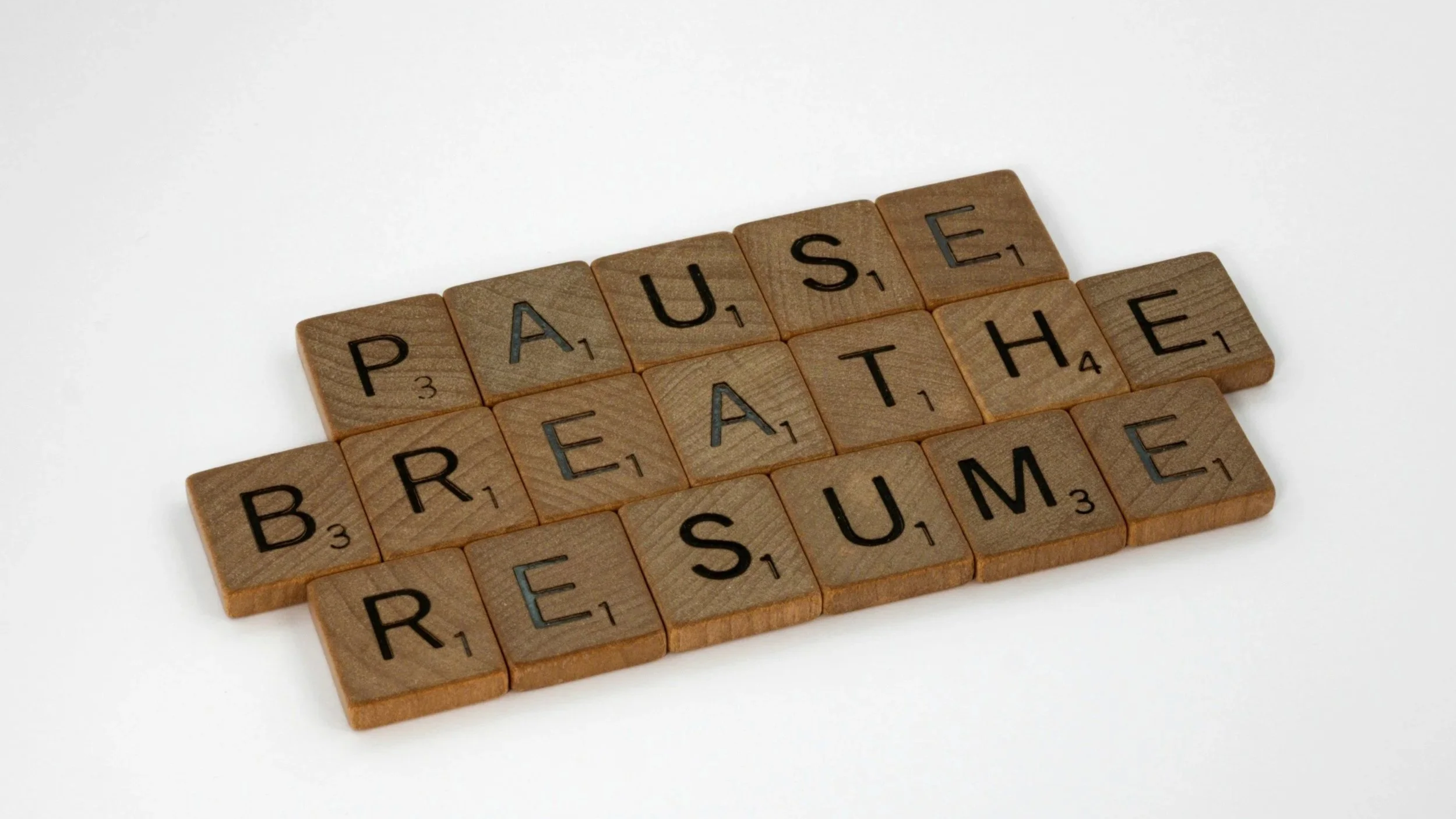
Take a few minutes when you feel overwhelmed, overstimulated, or disconnected to pause, take a several deep breaths, and listen inward.
Intuition’s subtle answer is waiting.
FAQ
Can intuition go quiet?
It can feel quieter when the nervous system is overloaded, but it doesn’t disappear.
How do I tell intuition from anxiety?
Anxiety feels urgent and charged. Intuition feels steady and neutral.
Why do sensitive people get overstimulated so easily?
Because they process more information at deeper levels—emotionally, energetically, and physically.
Is grounding the same as dissociation?
No. Grounding brings you into the body. Dissociation takes you out of it.
What is the sympathetic nervous system, and why does modern life keep it activated?
The sympathetic nervous system governs fight-or-flight responses. Our modern society—constant notifications, information overload, social pressure, artificial urgency, and lack of true rest cues—signals the body that it must stay alert to keep up. For sensitive systems, this ongoing stimulation prevents a natural return to rest and digest, making clarity and discernment harder to access even when nothing is actually wrong.